On grace
A grieving mother reflects on the gifts of life
A couple of weeks ago, a 40-year-old Orthodox Jewish woman from New York, Rebecca, got in touch with me. She had read my interview with the pilot Joseph Emerson and said it brought her some relief from the pain of losing her son. I later interviewed her and was deeply moved by her perspective on grief, faith, and meaning.
Rebecca’s son was Ariel, a 20-year-old Orthodox Jewish boy. Rebecca tells me that psychedelics have become very popular in Orthodox Jewish circles in the US, especially ayahuasca. Ariel and his college friends had taken magic mushrooms once before (apparently he had an unpleasant trip) and decided to take them again. Rebecca doesn’t think they knew much about the risks of psychedelics: ‘I don’t think a 20-year-old mind understands risks the way an adult mind does.’
In this case, the primary risk was not the substance itself but the environment in which it was taken. After the October 7th attack in Israel, young Jews around the world wanted to defend themselves from attacks. So one of Ariel’s college friends had bought a gun into the dormitory.
During the trip, at one point, Ariel’s friends left him alone and went off somewhere. Suddenly they heard a gunshot. Rebecca doesn’t know what was going through Ariel’s mind, but he had found the gun and killed himself.
He had no history of mental illness, and there was no history of psychosis in the family. Rebecca says: ‘He was a sweet, gentle boy, excited about his life and the beginning of his career.’ Rebecca felt a lot of guilt, wondering if they had missed earlier signs of depression or suicidality. She says it was a ‘tremendous shift’ for her to find out he was on magic mushrooms, to read stories like that of Joseph Emerson, and to understand that, in rare cases, people can get into such dark states of mind on psychedelics they can injure themselves or try to take their own lives.
Psychedelic-related deaths are extremely rare, compared to the 4000 people under 21 who die in the US each year from alcohol-related incidents like car crashes. But the sudden desire to harm oneself on psychedelics is a risk that should be taken seriously.
CPEP’s free peer support group for those experiencing post-psychedelic difficulties meets this Sunday at 5pm UK time, online. DM me for details if you’d like to attend.
This month, I interviewed a 30-year-old woman who was treated with MDMA therapy for PTSD in a hospital in Switzerland. She says the resurfaced trauma was so intense during and after the trip, that if there wasn’t someone with her, she believes she would have jumped out of the window. She has been dealing with suicidality ever since, and has gone in and out of secure wards. She says the psychiatrist who treated her with psychedelic therapy is bewildered by the adverse reaction.
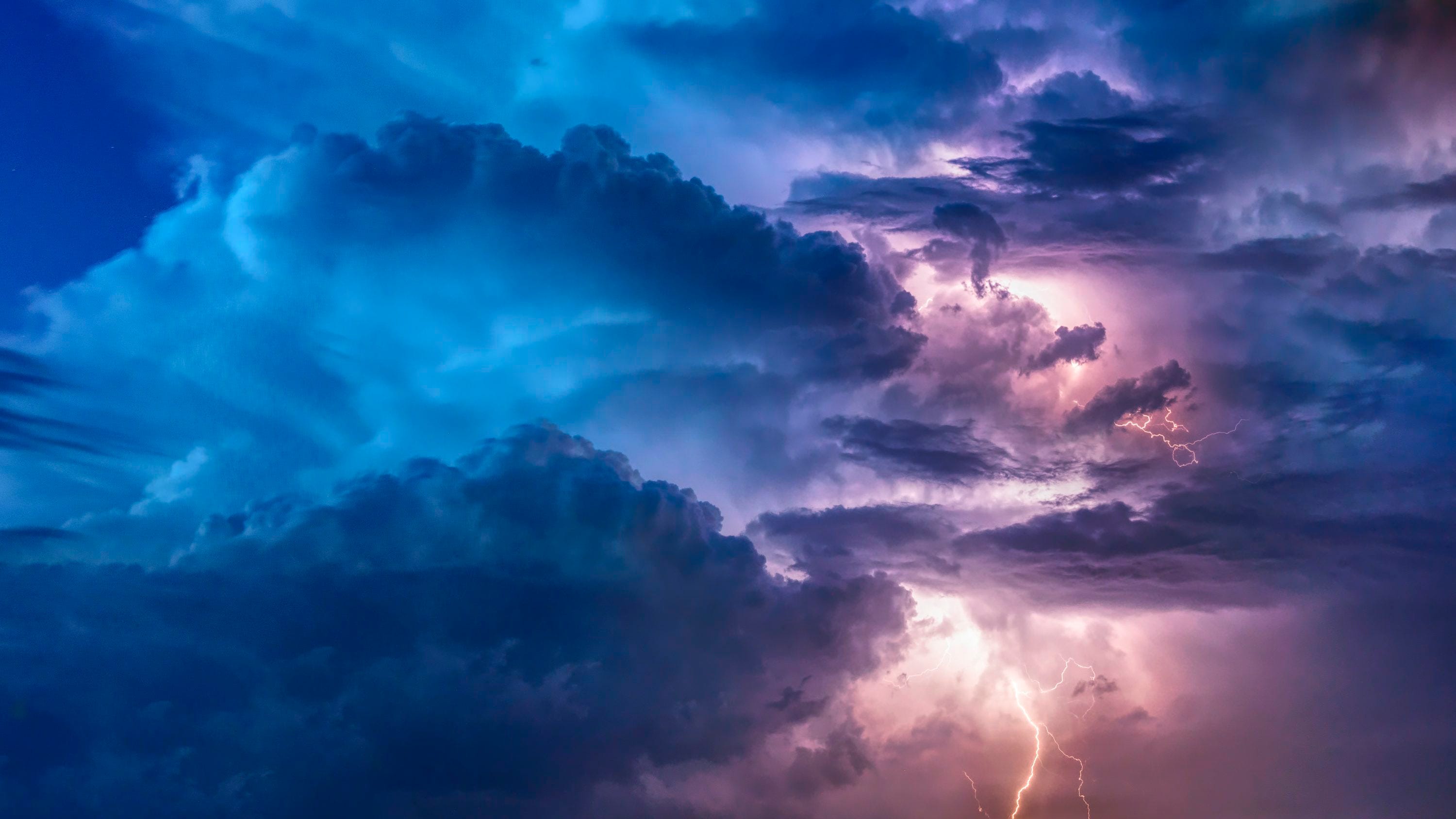
The mind is so strange. It’s like the sky in the tropics. It can seem sunny, clear and peaceful, then out of nowhere an incredibly violent storm appears, the wind howls, the rain and lightning lashes down. One dark thought, the emotions begin to cloud over, and before you know it, it feels like you’re in hell. And then, a different thought, and the heavens clear.
As John Milton put it: ‘The mind is its own place, and in itself can make a heaven of hell, a hell of heaven.’ But we don’t know how to control our minds, and that causes us an ocean of suffering. If we can learn just a little bit about how to steer the mind and emotions, we can free ourselves from hell, and maybe we can help others as well.
I asked Rebecca what the last two years have been like.
It’s been really difficult, very, very painful. With time you learn to live with the void and pain, and eventually, you can even learn to grow with it. It’s not linear. It goes in waves. The beginning is brutal. It’s stabbing you all day. It’s hard to function. And then you get to the functioning point. It’s still very fresh. It’s still every family event without him. It’s a lot of pain and sadness and our faith really keeps us going.
She says:
He had his years that he was given. It was a gift. The 20 years that we had, they were just such beautiful, golden years. And his time came. Why it had to come this way? I don’t know. That’s why I have a drive to bring this education to our young people. I understand that our youth want healing. And it’s there. It’s available, but in healthy ways. Going to these measures without the right facilitation and without the right integration afterwards, it’s irresponsible - you lose control and it can take your mind to places that aren’t safe for you. If we can just educate the public and provide them with safe measures.
In this instance, maybe young people could learn that it’s very risky to trip with dangerous objects like guns or knives nearby, or at dangerous heights or near water where you could drown. It’s a good idea to have a sober sitter, or a guide. The Before You Trip public health campaign tries to teach these basic safety principles - it was started by two mothers who both lost children to psychedelic-related accidents (one of them is also a funder for my NGO).
Rebecca says she was helped by reading my interview with Joseph Emerson and some of the information on the Challenging Psychedelic Experiences website. She says: ‘It was just so very soothing to read that article. As much as it was painful, it was soothing to understand what was going through his mind, because with Ariel, we don’t know.’
She says:
We live in a difficult, confusing world. People are seeking peace. And it’s out there, it’s available. If we can teach resilience and kindness and compassion for each other, we can make it a beautiful world. When you come across people trying to help and improve the lives of people, it just brings hope and meaning and makes life more beautiful.
I found this very moving to hear from this grieving mother, and her words have stayed with me. Joseph Emerson agreed to an interview - he didn’t need to, but he did out of kindness for others - and Rebecca happened to find his story and feel touched by it. She says she was also helped by going to a support group for parents who have lost children:
Two months after Ariel passed away, a bereaved mother who lost her son to an overdose reached out to me and said ‘I want to tell you about this group, we meet every two months or so’. And it was such a gift that she gave me, because it’s a unique space, where the facade is off and we connect at a deep level. We draw from each other and give to each other.
I was struck by her use of the word ‘gift’ - the gift of Ariel’s 20 years of life, the gift of the support group. There is probably a whole Jewish theology of the word ‘gift’.
Humans have this extraordinary capacity to bear adversity and suffering, and meet it with dignity and grace. If you’re an atheist or agnostic, you could say that humans choose to find meaning in a chaotic universe, and support each other in the darkness, and this is the meaning of life - humanism. And if you’re a believer, perhaps you feel that God is also there, when we are broken by life, when we meet each other in the darkness. Either way, we can help each other out of hell.
If you or someone you know is struggling after a psychedelic experience, CPEP runs a free online peer support group. It meets this Sunday at 5pm UK time. DM me if you’d like details.


